
Supporting your child’s wellbeing at home​

Key takeaways

  • Your presence and care support your child’s wellbeing every day. 
  • You don’t need to fix problems to help your child feel supported. 
  • Small, everyday actions at home can make a big difference.

A child’s wellbeing is about how they feel day to day. It includes feeling safe, supported, confident and connected. 

You don’t need to be an expert to support your child’s wellbeing. What matters most is knowing your child, listening to them and showing that you care. 

Here are some simple ways you can support your child’s wellbeing at home, at any age.

​When wellbeing feels harder

Some days and weeks feel more challenging than others. This is a normal part of growing up and family life. 

There are certain times when children’s wellbeing can feel harder, especially during change.  

For example: 

  • moving from primary school to high school 
  • changing schools 
  • starting new routines or expectations 
  • preparing for exams or finishing school   
  • going through big changes at home 

During these periods, children may feel unsettled, worried or less confident, even if things are going well overall. 

If you notice changes in your child’s mood or behaviour that last for a few weeks, or start to affect daily life, it can help to reach out for support. 

You don’t need to wait until things feel serious to ask for help.

​Trusted support for parents and carers

ReachOut is a trusted organisation that provides free, practical information for parents and carers. Their mental health and wellbeing resources can help you:  

  • understand common mental health challenges in young people  
  • recognise early warning signs and start important conversations  
  • build emotional resilience and find professional support if needed  
  • look after your own wellbeing while supporting your child  

ReachOut also offers free expert advice, coaching and support specifically for parents and carers of preteens and teens.

​You are not alone

Supporting your child’s wellbeing can feel challenging at times. You don’t need to manage everything by yourself. 

If you would like extra support, you could: 

  • talk with your Family Partnership Coordinator, who can listen and help you think about next steps 
  • speak with your doctor if you’re worried about your child’s health or wellbeing 
  • reach out to another trusted adult, such as a family member or community support person 
  • explore Parent and Family services on Raising Children, which links to many national support services and organisations in one place 

You’re already playing an important role in your child’s wellbeing. Asking for support can help you feel more confident and less alone as you work out next steps.

We are here for you!

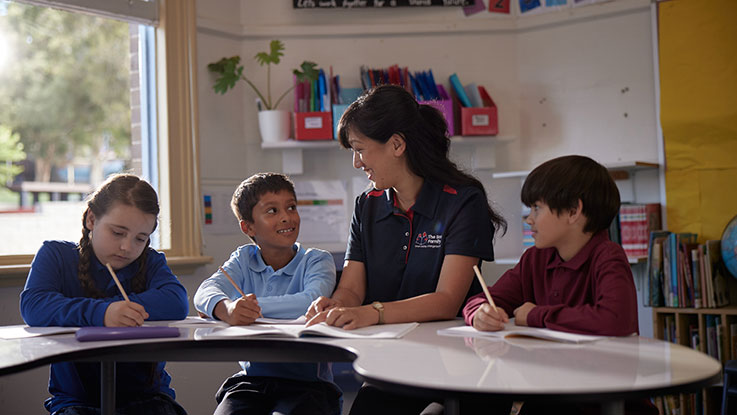
young woman tutoring two young children

Your Family Partnership Coordinator is here to support you through each stage of your child's educational journey.

They can support you to problem-solve any challenges that may come up that affect your child's education.

They can also connect you to educational support programs or services in the community if you decide that's what you need.

Related articles