
Thinking of studying at school? Start here
Key takeaways
- Explore your options to find a study pathway that's right for you.
- Get organised early by preparing important documents and understanding application requirements.
- Use the support available, including financial assistance and guidance from trusted people.

If you're thinking about studying after Year 12, a little preparation now can make things much easier later.
Getting ready early can save time, reduce stress and help you feel more confident when applications open. Whether you're considering university, TAFE, an apprenticeship or another training option, there are a few simple things you can do now to prepare.
This article covers some of the key steps to help you get ready and find the information and support you may need along the way.
Not sure where to start?
If you're not sure what studying after school could look like, the Australian Government's Beyond School Study Guide is a great place to start.
It includes information about:
- different study and training options
- how to choose a course that's right for you
- applying for courses
- financial support that may be available
- preparing for life as a student
Explore your study options
Not sure which study option is right for you? Learn more about:
Taking some time to explore your options can help you find a pathway that matches your interests, goals and strengths.
Learn about qualifications and study pathways
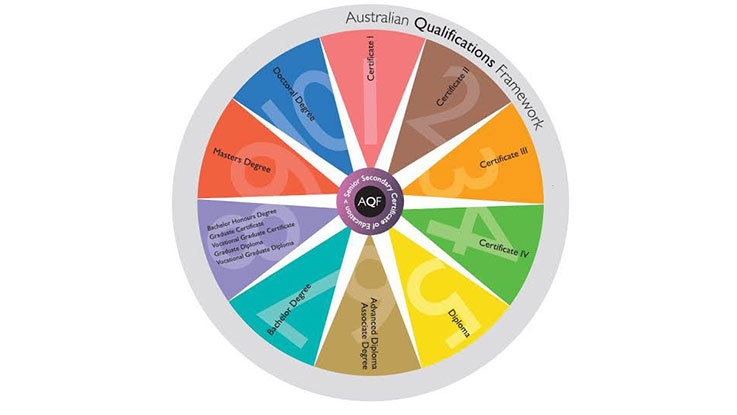
When you're researching courses, you'll notice there are different qualification levels, from Certificate I through to a Doctoral degree. Understanding how qualifications fit together can help you work out your next steps and identify courses that match your goals.
The Australian Qualifications Framework (AQF) shows the different levels of qualifications you can study after school.
You may also come across terms such as entry requirements or pre-requisite subjects. These refer to the subjects, qualifications or results you need before you can apply for a course.
For example, most Master's degrees require you to have completed a Bachelor's degree first.
Get a Unique Student Identifier (USI)

If you plan to study after school, you'll likely need a Unique Student Identifier (USI).
A USI is a number that stays with you throughout your education and training. You may need it to:
- enrol in some courses
- access government financial support
- receive qualifications and training records
Before creating a new USI, it's worth checking whether you already have one.
Explore ways to help pay for study
Study can come with costs, but there are ways to make it more affordable.
You may be able to access support such as:
Looking into financial support early can help you understand what's available and plan ahead.
Some universities, TAFEs and training providers also offer an Educational Access Scheme (EAS), which gives eligible students extra consideration when applying.
Get support along the way
You don't have to figure everything out on your own.
If you'd like help exploring your options, understanding applications or finding support, you can speak with:
- Your Family Partnership Coordinator
- Your school's careers adviser
- A teacher or mentor
Preparing for further study doesn't have to happen all at once. ask questions when you need help and use the support available to help you take your next step with confidence.
End of article