See and hear why VIEW Clubs are important to The Smith Family and why you should join VIEW.
Videos & Podcasts 
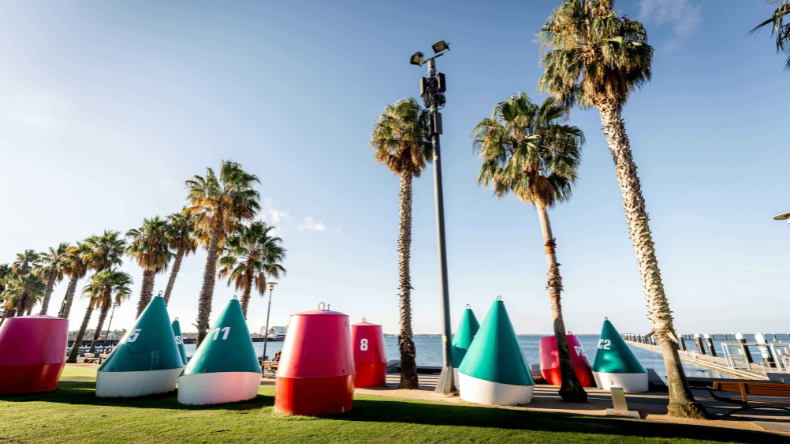
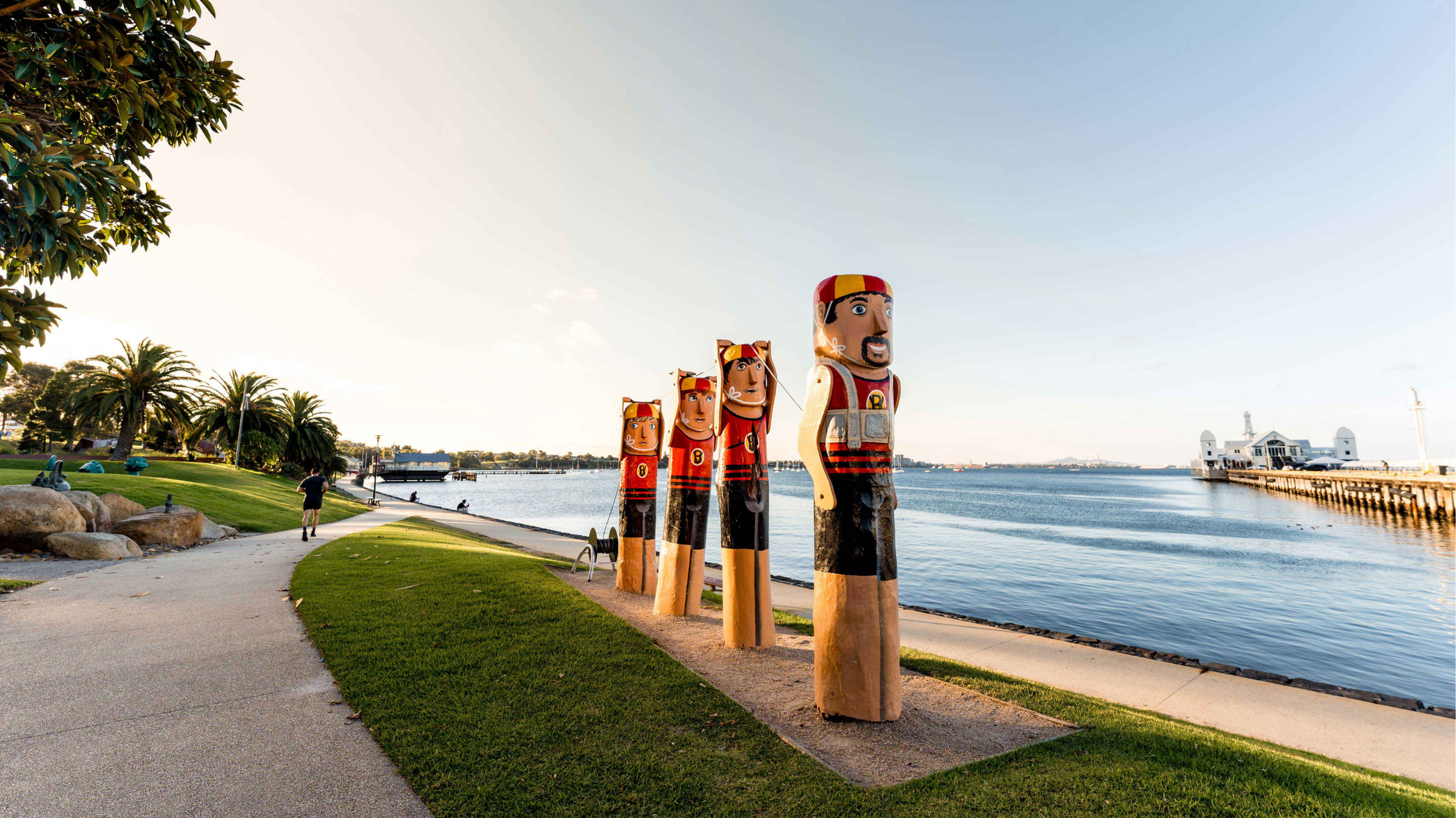
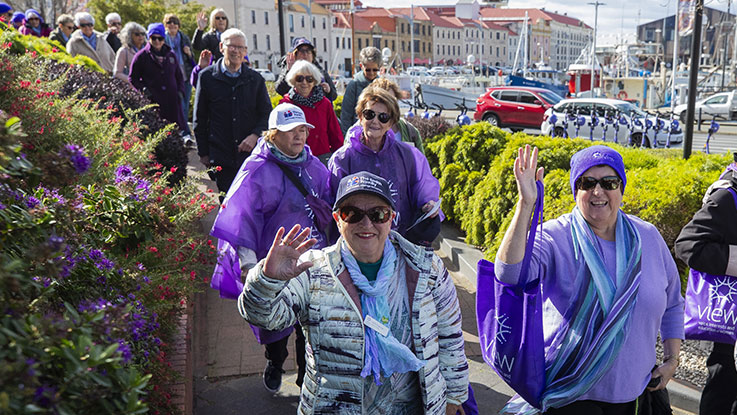
Geelong’s most famous attraction by artist Jan Mitchell. Take a stroll along the iconic waterfront and discover the city's beloved bollards. This trail showcases some of the most memorable figures and colourful characters from Geelong's seaside culture and rich history.
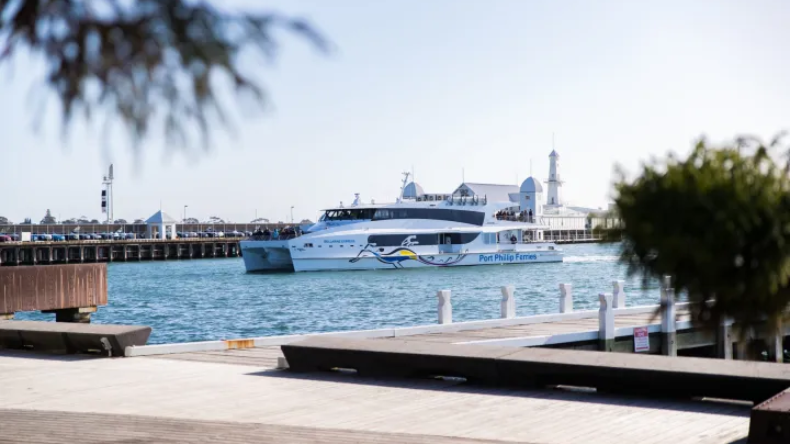
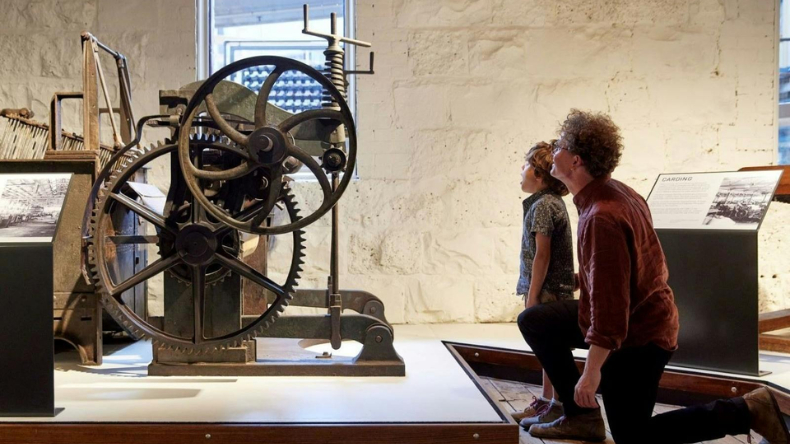
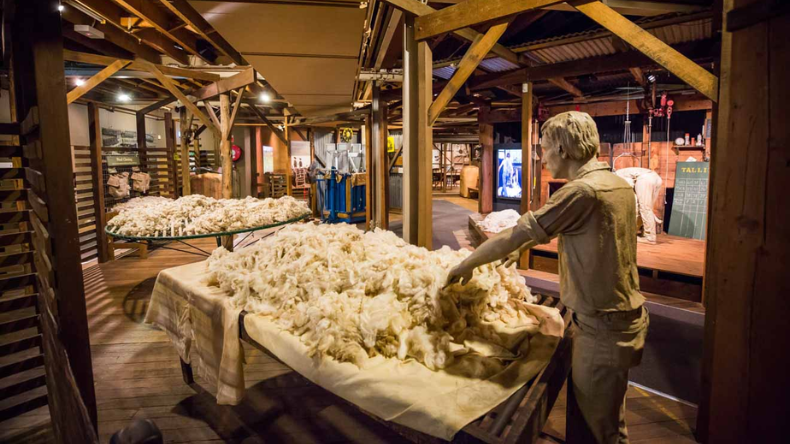
Located just five minutes from the venue at 26 Moorabool St, this iconic piece of local history allows visitors to discover Australia’s rich textile history housed inside a magnificent historic 1872 wool store and browse a wonderful collection of gorgeous gifts of locally crafted woollen garments and gifts!
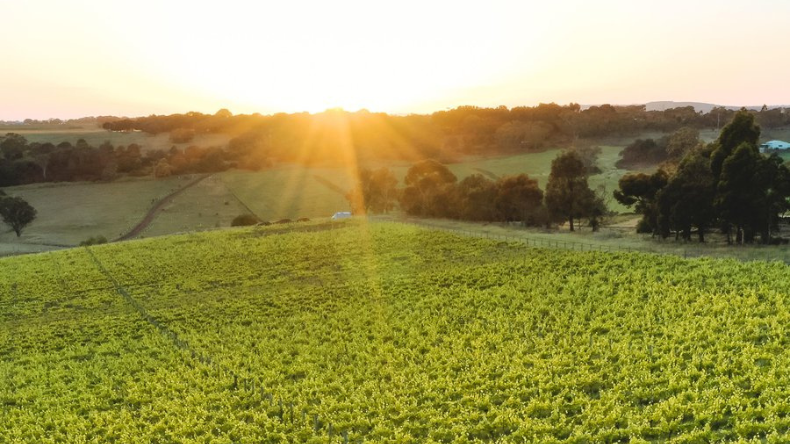
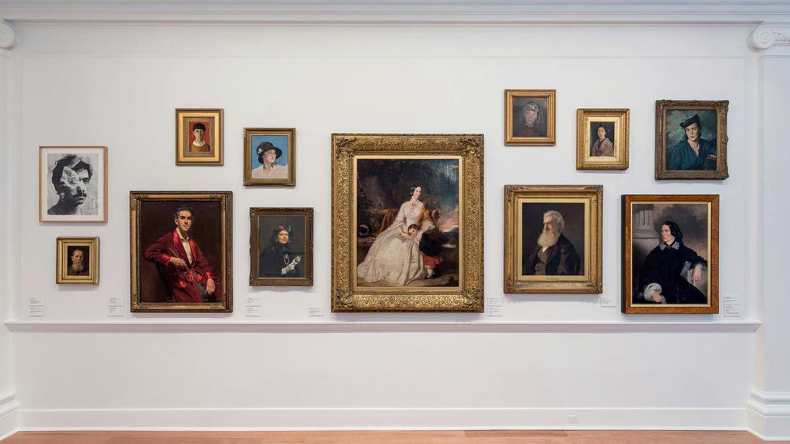
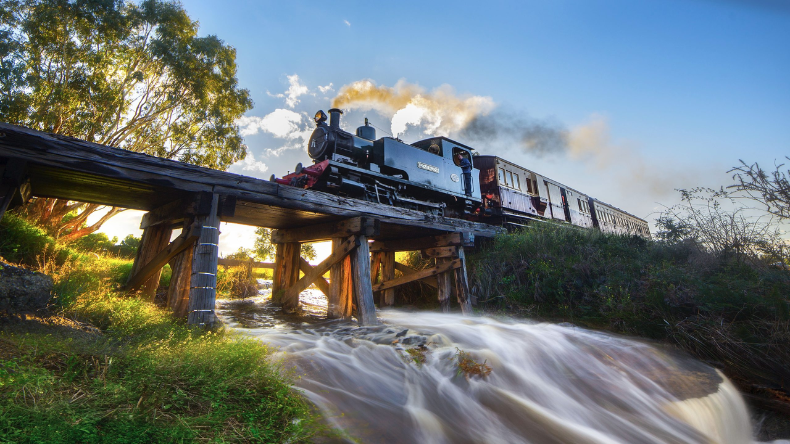
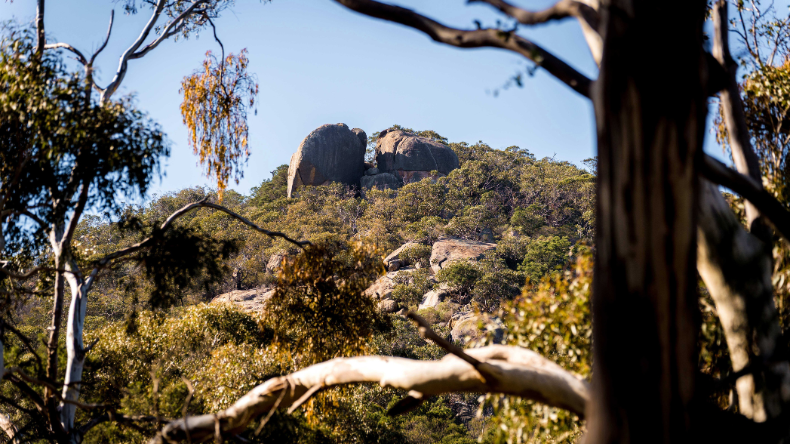
Geelong’s history spans a millennia, the Wadawurrung people of the Kulin Nation have been caring for Country stretching from the Great Dividing Range of Ballarat, to the Werribee River including Djiland (Geelong) for thousands of years. The name Nyaal Banyul was gifted to the Geelong Convention and Event centre by the Wadawurrung, returning language to Country. Meaning ‘open your eyes to the hills’, Nyaal Banyul encourages visitors to look deeply, and appreciate the landscapes and history of Wadawurrung Country.
In 1802 European maritime exploration began when Lieutenant John Murray sailed into Corio Bay, followed soon after by Matthew Flinders who charted the area later that year. Squatters from Tasmania came looking for pastural land in the mid 1830’s and the township of Geelong was founded in 1837 when Governor Richard Burke officially named it. In 1851 with the discovery of gold in Ballarat, Geelong became well positioned to be the main port and trade gateway for the goldfields.
Industry took off with the building of massive wool stores along the waterfront with Geelong becoming known as the wool centre of the world. In the mid 1800’s Geelong Advertiser editor James Harrison pioneered the first commercial refrigeration system, forever changing global food transport.
In 1910 Geelong rapidly pivoted from agriculture to manufacturing with the Ford Motor Company opening its first Australian manufacturing plant. Following the Second World War manufacturing grew to include the International Harvester, the Shell Oil Refinery and the Alcoa Aluminium Smelter.
Geelong is famous for being the gateway to the Great Ocean Road and its local AFL team the “Geelong Cats”. Today Geelong is an enchanting, vibrant modern coastal city… see you there!