Child SponsorshipDonate now

Using data for social change

Data can help tackle inequity

Right now, it’s a critical missed opportunity

Education is meant to be the great equaliser, but not every Australian student has the same opportunities to succeed. 

Young people growing up with disadvantage – whether due to socioeconomic hardship, location, disability, or cultural background — face systemic barriers that can prevent them from reaching critical learning milestones and making the most of their education. This, in turn, can limit their career and life opportunities and perpetuate cycles of disadvantage.  

But it doesn’t have to be this way. We can change this.  

All states and territories collect valuable student data that could be better used to drive targeted early intervention strategies. But right now, all too often that data is underutilised. And that means students are missing out on extra support that could help them thrive in the classroom.

1.2 million

13.4% of our population live in poverty – that includes almost 1.2 million children and young people.¹

Equity gaps

Our education system is leaving behind young people from poorer families, those living in rural and remote areas, and Indigenous Australians.²

$1.1 million

Conservative estimate of the lifetime average social cost to governments and the community for each 24-year-old who is not engaged full-time in work, study or training.³
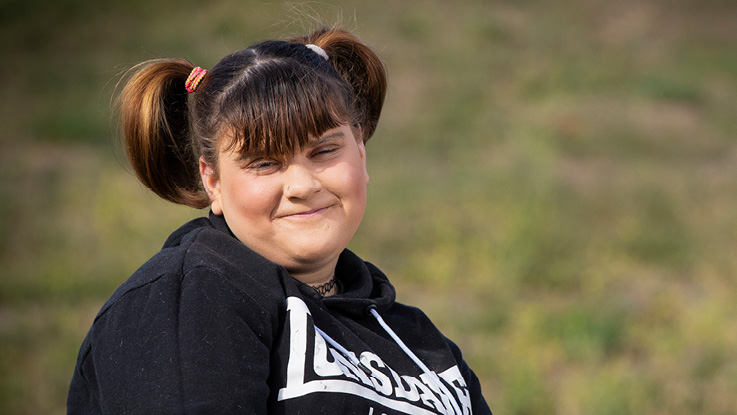
Lilly is paired with a Smith Family Learning for Life Coordinator who provides support and makes sure she has everything she needs to fully participate in her education. 

Coordinated, data-driven solutions

To build a better, fairer education system, Australia needs to make smarter use of data.  

By giving schools, teachers, and agencies access to the right data, they can identify students who are struggling and provide targeted, timely support. Collaboration between governments, businesses, communities, and the research sector is key to making sure data-driven interventions are effective in closing gaps and addressing inequities. 

Ultimately, by using data in smarter, more focused ways, we can ensure that every child – no matter their background – has a true opportunity to succeed at school and beyond.

What we’re calling for

  • Improvements in how data is collected, used, and shared, ensuring that teachers, schools, government agencies, and other stakeholders have access to high-quality information. This should be supported by better collaboration and partnerships across states, territories, sectors, and systems to drive innovation in how data is used. 
  • Improved monitoring and accountability to track real-time student outcomes, prioritising all equity groups. Including the roll-out of a Unique Student Identifier as promised in the new Better and Fairer Schools Agreement. The identifier is a number follows a student from the start of school through to tertiary education, training, or other pathways – helping to track progress and outcomes. 
  • A culture of continuous improvement, supported by more nuanced, publicly available longitudinal data to better understand progress and guide investment. The focus should be on learning and improvement, not a school league table mentality that benefits no one.

How you can help

Sponsor a child

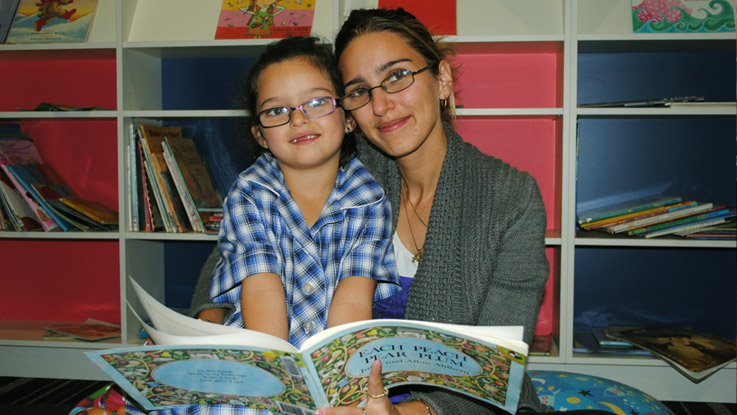
Your sponsorship, together with another sponsor's support, provides a child with essential learning tools like books and a uniform – helping them to succeed at school.

Volunteer

Join a community of volunteers passionate about helping young Australians overcome educational inequality caused by poverty and disadvantage. 

Join the conversation

Tune into our podcast and video series exploring work happening across Australia to help young people change their future through the power of education.