Child SponsorshipDonate now

Mentoring programs: pathways to the future

Many students living with poverty have lower career expectations than their classmates.1

If a young person is the first in their family to pursue tertiary education, they may not any adults who have studied at this level, to help guide them and provide career and study advice. 

Students experiencing disadvantage are often less certain about their career options than their peers.2

Research also shows that students living with poverty generally have lower expectations about their chances of working in a highly skilled job after they leave school.<sup>1</sup>
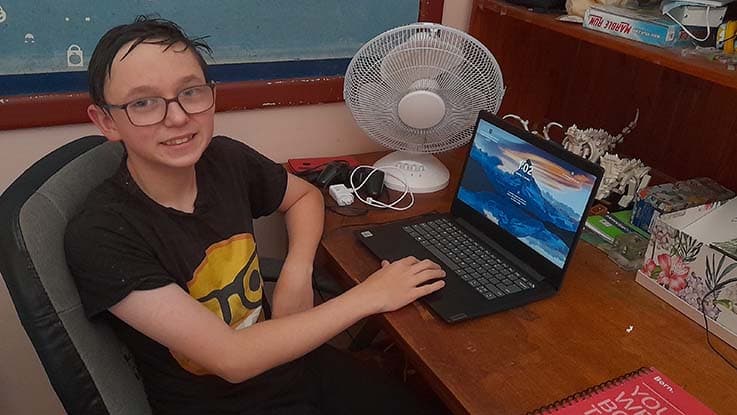
Talon Growing Careers student
Before this program, I thought there were only a few paths after school. Now I realise there are so many careers out there. It’s made me feel more confident about my future and what I might be able to achieve.
Talon, Growing Careers Participant
Many students have the ability and ambition to succeed, but they simply haven’t been exposed to the range of careers available. Giving them that visibility can change the trajectory of their lives.

David Samaha
David Samaha

Mentoring programs

Our learning programs