Child SponsorshipDonate now

The Smith Family Pulse Survey 2026

The cost of school essentials is putting children’s education at risk

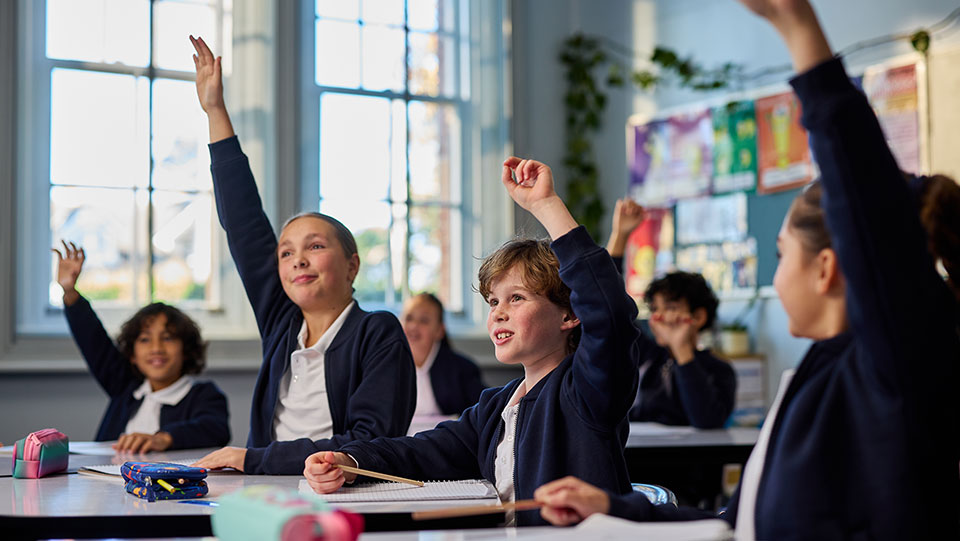
children in a classroom with their hands up
The latest annual Pulse Survey released by national children’s education charity, The Smith Family, over half (53.1%) of the family’s surveyed found it hard or very hard to afford essential school items for their children in 2026. 

The price of everyday expenses was again the biggest factor affecting affordability, with almost half (48.8%) saying rising cost-of-living made it hard or very hard to afford all the things their children need for school this year. 

The findings are revealed in the latest Smith Family Pulse Survey, a national survey of more than 2,200 parents and carers whose children are supported by The Smith Family. They were asked questions about their children’s experience of school during the year and how they had coped. 

This is the seventh Pulse survey to be carried out by The Smith Family. The first survey presented the perspective of The Smith Family’s frontline team members; all the following surveys spoke to the families who are supported through The Smith Family. The survey is repeated annually to provide a snapshot of families’ changing circumstances and hear directly from parents and carers about issues affecting their children’s education.

Key findings

  • 53.1% of respondents said they found it hard or very hard to afford all the things their children needed for school in 2026. 
  • Almost half (48.8%) of respondents said increased costs of everyday expenses such as groceries, energy costs and rent made it harder to afford school items. 
  • One in four respondents (25.3%) said they were spending more because they needed to buy more things, or more expensive things, for their children’s education.
  • Over a fifth (22.9%) said they were buying the same educational items as last year but that they were now more expensive. 
  • Almost a third (32.7%) of parents and carers said school had been hard or very hard for their children in 2026. The main reasons cited for this were struggles with schoolwork, health and mental health issues, social difficulties and financial pressures.

Cost of living pressures still making hard for families to meet school costs in 2026

Although slightly lower than the previous year, 53.1% of respondents still said they found it hard or very hard to cover school-related costs for their children in 2026.
Increasing costs across a range of expenses were the biggest factor making it more difficult for families to meet school costs in 2026. Almost half (48.8%) said the increase in everyday expenses, like electricity, groceries and rent, was the main reason, one in four (25.3%) said their children needed more things or more expensive things for school and over a fifth (22.9%) said that they struggled with increased prices for the same things as the previous year.

School work, health and social issues also made school harder

Almost a third of respondents (32.7%) said that school has been hard or very hard for their children this year, down slightly from 2025. Just over half (51.2%) said the year had been normal – neither easy or hard.
Struggles with schoolwork (17.6%) was the biggest single factor that made school hard in 2026. This was followed by health or mental health issues (14.8%) and social difficulties (13.7%). The number of respondents nominating financial pressures causing school to be hard decreased to 12.8%, down from 14.2% in 2025.

How has support helped

Over two thirds of respondents (67.3%) used the financial support offered through the Learning for Life scholarship on education related expenses such as school uniform, books, fees, shoes, school bag, tuition, stationery or laptop. Another 12.7% used it to provide education-related activities like excursions, camps, sport or music.
It meant that my children had all the uniform and things they needed. Without it I think we would have been in trouble.
Parent/Carer
With the rising cost of living, without the wonderful assistance from The Smith Family we would not have been able to afford shoes or sports.
Parent/Carer

Celebrating progress

Although many families have found the school year hard, they also see the progress that their children have made and the resilience they have shown. From achievement to simply enjoying their school, parents were proud of what their children have achieved during 2026.
Nearly three in ten respondents (28.9%) were proudest of the progress their children’s achievement through the year. Almost a quarter (22.9%) were most proud of the effort and perseverance of their children.
I am proud to see their progress on their report. It’s really important what they are learning from school and how they improve in school.
Parent/Carer
I am most proud of my child’s progress and growing confidence this year. They have worked hard, learned new skills, and become more independent. I am especially proud of their positive attitude toward learning and the effort they put into school every day.
Parent/Carer
  1. She got student of the week award. 
  2. Her reading skills improved drastically. 
  3. She likes to draw and craft. 
  4. She likes to go to school everyday.
These are the some points on which I can feel proud about her schooling experience.
Parent/Carer
As a single parent, knowing they are happy, supported, and continuing to achieve their goals makes me proud every day. Their strength, kindness, and perseverance remind me that they are capable of overcoming any challenge that comes their way.
Parent/Carer
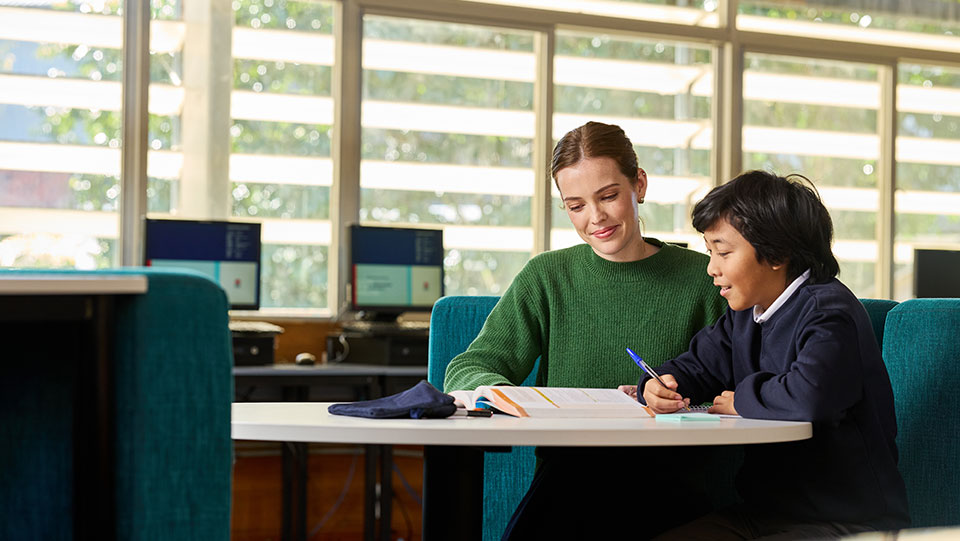
a learning for life coordinator with a student

More details about this survey

The Smith Family Pulse Survey is an annual survey of parents and carers about how their children are faring at school and any issues affecting their children’s education. The survey is open to parents whose children are currently supported through our Learning for Life education support program, which provides emotional, practical and financial support to young Australians experiencing disadvantage. This survey was conducted between 5-18 August 2026 and there were 2,293 respondents.