Learning for Life
Helping young Australians reach their full potential
Every child should have the opportunity to achieve all they are capable of.
Through no fault of their own, children experiencing poverty often start school behind their peers. Without access to the vital resources, opportunities, and support that all children need to achieve their best, they can fall even further behind ─ making it more difficult for them to stay fully engaged in their education and go on to employment, training, or further study.
Having The Smith Family’s support has definitely helped Shelby with his learning. He got really excited to go to school after he started receiving learning support, because he said that he was finally ‘getting it’. You could see the change in him – he was more confident with what he was doing at school.
What is Learning for Life?
The Smith Family’s Learning for Life program is an innovative, evidence-based program that is successful in achieving long-term outcomes for young people experiencing disadvantage.
Through targeted support that begins early in a child’s life and continues throughout their first two decades, Learning for Life keeps students engaged at every stage of their education by providing:
- financial assistance to help pay for school essentials like uniforms, textbooks, digital tools and excursions
- support from a Family Partnerships Coordinator (FPC), who works closely with their family to problem-solve any barriers to education
- access to various short programs to improve literacy, numeracy and digital literacy outcomes and connections to mentoring and career-related opportunities.
Making a difference
We partner with more than 71,818 families through our Learning for Life; sponsorships, empowering young Australians to achieve their full potential with access to targeted long-term support.
Take a look at some of the outcomes experienced by Australian students who have participated in our programs.
-
81.7%
average school attendance rate for high school students who participated in Learning for Life in 2021.3 -
84%
of Learning for Life students in Year 12 in 2022 were in work and/or study two and a half years after leaving school.3 -
90%
of students taking part in our student2student program improved their reading4
Our research
Our learning programs
-
Aboriginal and Torres Strait Islander programs
Our work engages Aboriginal and Torres Strait Islander communities in learning through education, life skills and role models, promoting culturally responsive practice. -
Arts programs
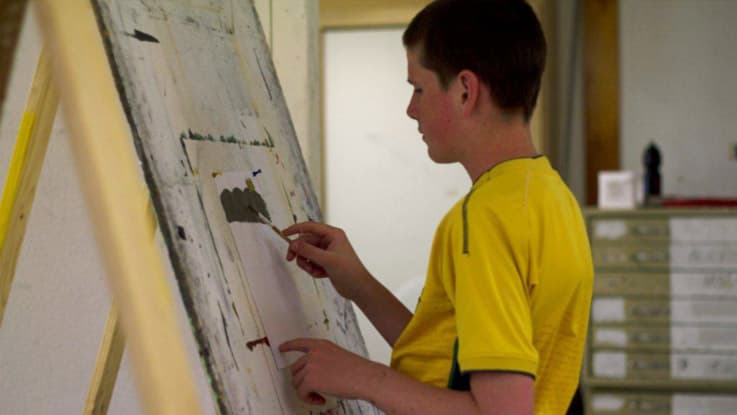
Providing students living with disadvantage access to arts programs to help support students'; engagement with school by increasing their creative skills, self-confidence, social networks and knowledge of post-school options. -
Community programs
We partner with government, schools, families, and other service providers to improve educational outcomes for children. -
Financial programs
We offer financial programs for parents facing disadvantage and an interactive high school program, building youth financial literacy, decision-making skills, and future awareness. -
School transition programs
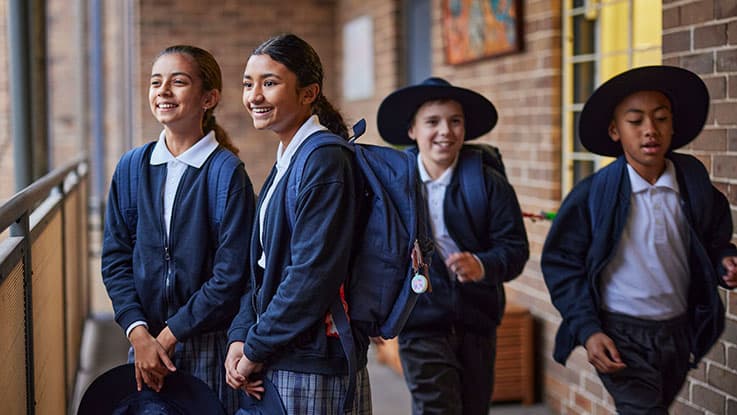
Providing help for students transition from primary to high school by enhancing their skills, knowledge, and attitude for the new learning environment. -
Learning Clubs
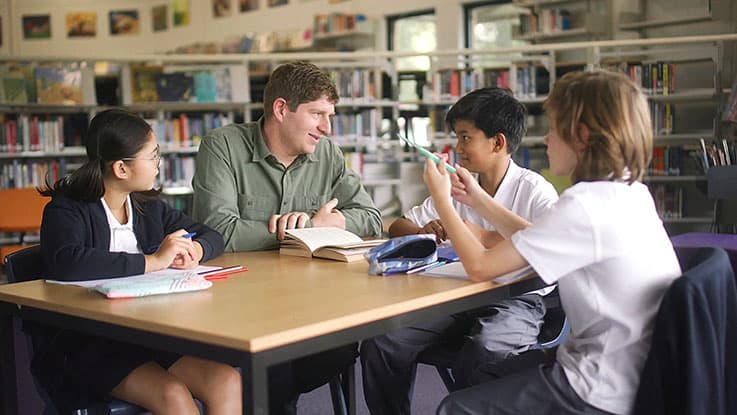
After-school Learning Clubs give children help with literacy homework in a safe, supportive environment, encouraging children to better engage with their learning. -
Learning for Life
Learning for Life is an innovative, evidence-based program that supports students throughout their education to achieve positive long-term outcomes for young people experiencing disadvantage. -
Literacy programs
Providing resources and support to help children living with disadvantage achieve the required reading standard. -
Mentoring programs
Mentoring programs for students living with disadvantage that provide the encouragement they need to build aspirations for their future. -
Mentoring programs
Mentoring programs for students living with disadvantage that provide the encouragement they need to build aspirations for their future. -
Technology programs
Providing children and young people living with disadvantage with the critical skills, access, and equipment they need. -
Work experience programs
We provide work experience programs for students living with disadvantage, to help them explore their future career options and potential job opportunities.
1 2022 Poverty in Australia, ACOSS/UNSW Report.
2 2023 NAPLAN results Australian Curriculum, Assessment and Reporting Authority (ACARA).
3 2022-2023 TSF Report.
4 2022 The Smith Family’s Learning Clubs Program Outcomes Summary,.
* Names, family details and associated images have been changed to protect the family’s identity.